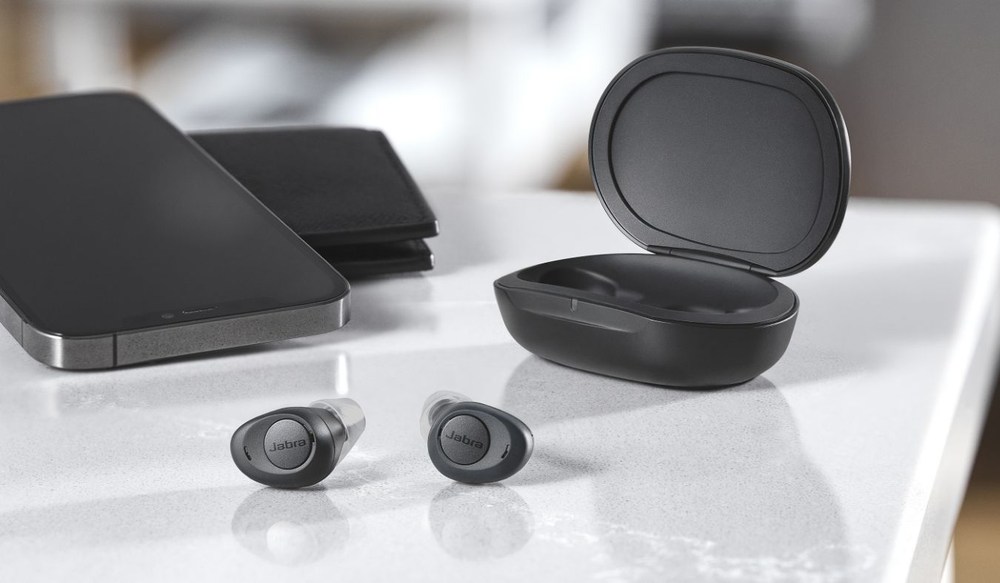
Many people are surprised to learn just how many hearing aid styles and features are available today, each designed to fit different lifestyles and listening needs.

Choosing a hearing aid involves more than just improving your ability to hear. You also want a device that fits into your daily routines and feels comfortable. Some people spend most of their time in quiet spaces, while others are often in busy or noisy environments.

The right hearing aid can help you follow conversations and feel at ease during your regular activities. Considering factors like style, technology and comfort, you can find a device that supports your needs.

What are Hearing Aids?

Hearing aids are electronic devices designed to support better hearing by making sounds easier to notice and understand throughout the day. They are programmed to match your specific hearing needs, helping you pick up important sounds like speech while keeping everyday noise comfortable.

Hearing aids do not restore hearing to normal, but they can improve how you experience conversations, social settings and daily activities. With consistent use, many people find that listening feels less effortful and communication becomes more natural, allowing you to stay connected to the people and moments that matter.

What are the Main Styles of Hearing Aids?

Hearing aids are available in a few main styles, and each one is designed to meet different hearing and lifestyle needs.

In-the-ear (ITE) hearing aids fit within the outer portion of the ear and are often easier to handle, making them a practical choice for many people. Behind-the-ear (BTE) styles sit behind the ear and deliver sound through a small tube or wire, offering comfort and flexibility for a wide range of hearing levels.

In-the-canal (ITC) hearing aids rest deeper inside the ear canal and are smaller in size, which appeals to those looking for a more discreet option. Finding the right style is about balancing comfort, visibility and daily listening demands, so a personalized approach can make a difference.

How Your Surroundings Influence Hearing Aid Needs

The places you spend time each day play a big role in what you need from a hearing aid. Whether you are at a quiet home, a busy restaurant or outside at a park, each environment brings different sounds and noise levels.

An audiologist will consider where you spend most of your time and suggest features that fit those settings. This ensures your hearing aid supports you, whether you are chatting with friends at home or listening to announcements in a crowded store.

Ensuring Comfort and Ease of Use

Comfort plays a part in how successfully a hearing aid fits into your daily life. When a device feels natural to wear, you are more likely to use it consistently and get the most benefit from it.

Factors like how the hearing aid sits on or in the ear, how it feels after several hours and how easily it stays in place during normal movement all matter. A comfortable fit can reduce irritation and listening fatigue, helping you focus more on conversations and less on the device itself.

Ease of use is just as important, especially when hearing aids become part of your everyday routine. Simple controls, clear settings and easy battery or charging options can make a noticeable difference in how confident you feel using your devices.

Your lifestyle also matters, since work demands, social activities and personal habits can influence which features feel most helpful to you. When comfort and usability are prioritized, hearing aids fit your unique needs and everyday lifestyle.

Understanding Technology Options

Understanding technology options can help you make informed choices when selecting a hearing aid that fits your lifestyle. Today’s hearing aids offer a variety of features designed to support different listening situations, like adjusting to changes in sound or helping speech feel clearer in group settings.

Some options focus on convenience, while others are designed to support active or social routines. Learning how these technologies align with your daily activities, you can choose a hearing aid that works naturally with how you live and listen.

How to Know Which Hearing Aid is Right for You?

Knowing which hearing aid is right for you starts with understanding your daily life and listening needs.

Comfort, ease of use and how the device fits into your routine all matter just as much as how it looks. Taking time to think about when and where you want the most support can help narrow down options that feel practical and natural.

It also helps to work closely with an audiologist who can guide you through the process. Hearing tests, lifestyle discussions and personal preferences all play a role in finding the right match. You may try different styles or features to see what feels best over time.

Your audiologist will help you find the right hearing aid to match the specific type of hearing loss you are experiencing and your lifestyle needs.

Steps After Choosing Your Hearing Aids

After choosing your hearing aids, the next steps focus on making sure they fit comfortably into your daily routine. This usually includes having your devices adjusted to match your hearing needs and learning how to wear and care for them properly.

You may spend time getting familiar with simple tasks like charging or changing batteries, adjusting volume settings and placing your hearing aids correctly. These early steps help set realistic expectations.

As you begin wearing your hearing aids regularly, follow-up visits become an important part of the process. Your audiologist can fine-tune settings based on your real-life experiences and answer any questions that come up. It also takes time for your brain to adjust to new sounds, so patience and consistency are key.

Finding the Best Hearing Aid Fit for Your Life

Choosing the right hearing aid can improve your daily experiences and help you stay connected with the people and activities you enjoy.

Thinking about your routines and preferences, you can select a device that supports your everyday needs. An audiologist is here to answer questions and help you explore different styles and features, so you feel informed and comfortable with your decision.

If you would like more information or want to try different options, schedule an appointment with an audiologist. They are here to help you find a hearing aid that fits both your comfort and performance needs.