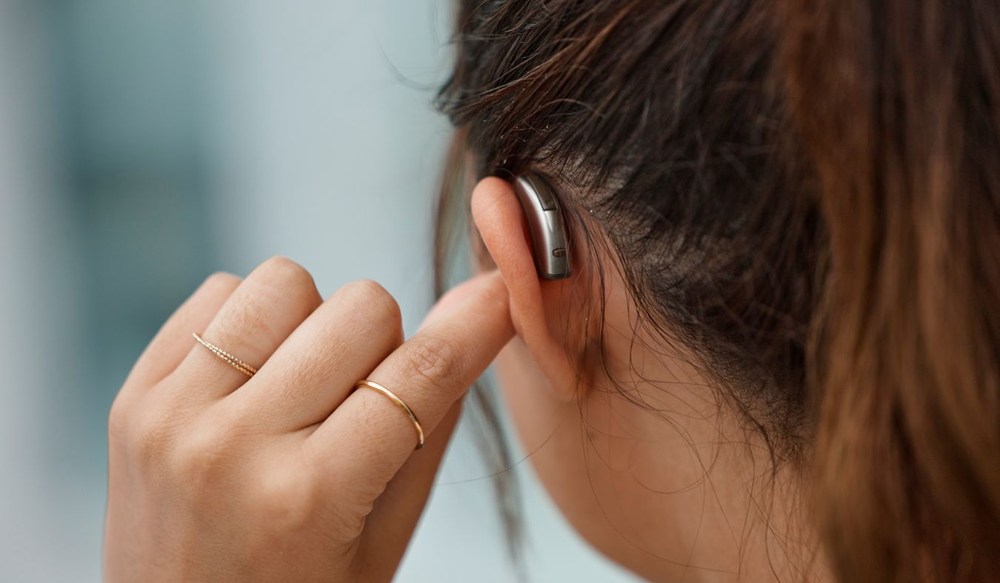
When hearing starts to change, you may look for simple ways to make sounds clearer and easier to understand. On store shelves and online, hearing amplifiers often sit beside medical hearing aids and at first glance they can seem very similar.

Both make sounds louder, but they are not designed or regulated in the same way, and they do not serve the same purpose. This can lead to confusion about which option is best, which one is likely to help in daily life and when it is time to talk with an audiologist

With this in mind, it helps to look more closely at what sets hearing amplifiers apart from medical hearing aids and how each one fits into everyday listening.

How Hearing Amplifiers Work and When They Are Used

Hearing amplifiers are devices designed to make sounds louder so you can hear more clearly in specific situations. They work by picking up sound through a microphone, increasing the volume and delivering it directly into your ears.

Unlike traditional hearing aids, which are customized to your hearing loss, hearing amplifiers generally provide a simpler boost to all sounds and are often used for temporary or situational hearing needs, like listening to a lecture, watching TV or following a conversation in a noisy room.

These devices are commonly used when someone needs extra hearing support but does not have a diagnosed hearing loss that requires a hearing aid. They can help people participate more comfortably in social settings or activities where hearing is challenging.

While hearing amplifiers can improve volume and clarity, they do not address underlying hearing conditions or protect against long-term hearing damage.

How Medical Hearing Aids Work and Who They Are For

Prescription hearing aids are small electronic devices designed to improve hearing by amplifying sounds and making speech easier to understand. They pick up sound through a microphone, process it using internal circuitry and deliver the amplified sound into the ear through a speaker.

Many modern hearing aids can adjust automatically to different environments, reduce background noise and focus on the voices you want to hear. This technology helps people stay connected to conversations and daily activities without constantly struggling to catch every word.

These devices are intended for people with hearing loss that affects communication and daily life. They are often recommended for adults and children who have trouble following conversations in quiet or noisy settings or who notice a gradual decrease in hearing clarity.

An audiologist can determine whether a medical hearing aid is appropriate based on a hearing test and individual listening needs. Wearing hearing aids when they are needed can support social engagement, work performance and overall quality of life.

How Your Device Choice Affects Long-Term Hearing Health and Communication

The type of device you choose can have a significant impact on your long-term hearing and how well you communicate. Hearing aids are designed to match your specific hearing loss and provide clear, balanced sound, which helps protect your ears from further strain and supports better understanding of speech in different settings.

Over-the-counter hearing amplifiers, on the other hand, simply make all sounds louder without tailoring them to your hearing needs, which can make speech harder to follow and potentially increase listening fatigue.

Selecting the right device helps you stay engaged in conversations, reduces the effort your brain has to put into understanding sounds and supports healthier hearing.

Questions to Consider When Choosing Between an Amplifier and a Medical Hearing Aid

When deciding between a hearing amplifier and a medical hearing aid, it helps to think through your listening needs and lifestyle. Some key questions to consider include:

  • How severe is your hearing loss and which frequencies are affected?
  • Do you struggle to understand speech in noisy environments?
  • How important is personalized sound adjustment for your daily life?
  • Are you looking for long-term hearing support or just temporary amplification?

Answering these questions can guide you toward the device that will best support your hearing and communication long term.

When to Get a Hearing Test and Talk with an Audiologist About Options

Changes in hearing that last more than a few weeks are a clear sign to schedule a hearing test, especially if you often ask people to repeat themselves or turn the TV up higher than others prefer. A test is also important if you notice ringing or buzzing in your ears, sudden changes in one ear or a feeling of fullness that does not go away.

Getting checked early can help find simple causes like earwax buildup and can also catch more serious problems while they are easier to manage. This gives you clear information about your hearing, so you are not guessing whether an amplifier, a medical hearing aid or another option is the best choice.

Talking with an audiologist after your test lets you review the results and match them with devices that fit your daily life. You gain a plan for follow up care, adjustments and guidance on safe listening habits. This kind of support can make it easier to stay active in conversations at home, at work and in social settings.

Choosing Safe Sound Support for Everyday Hearing

Choosing between a hearing amplifier and a medical hearing aid involves more than convenience. It affects safety, clarity and long-term hearing health.

If you notice ongoing trouble with conversations, TV volume or noisy places, an amplifier alone often does not provide the level of support or protection your ears need. A medical hearing aid that is programmed to your test results can offer clearer speech and safer sound levels tailored to you.

If you are unsure which option fits your situation, scheduling a hearing test is a practical next step. An audiologist can review your results with you, explain when an amplifier may be reasonable for limited use and when a medical hearing aid would be more appropriate for daily listening.

You can also ask questions about tinnitus, earwax buildup and safe listening habits so your choices are based on clear information.